The World Cup is the biggest football tournament on the planet, bringing together the best national teams from every continent. One of the questions fans are most interested in is how many teams participate in the World Cup, especially as the tournament format has undergone several changes in recent years. From the traditional 32-team format, FIFA has expanded the number of participating national teams to create more opportunities for developing football nations. Join Socolive TV as we explore the number of participating teams, the evolution of the tournament format, and the key features of the World Cup.
How many teams participate in the World Cup?
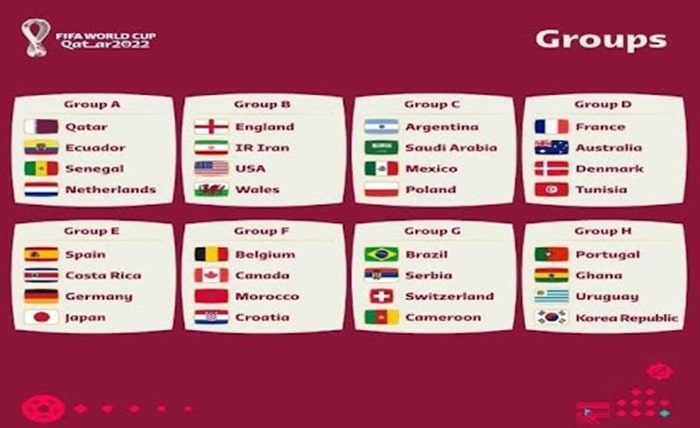
When researching how many teams participate in the World Cup, fans need to distinguish between previous editions and the new format. From the 1998 World Cup through the 2022 World Cup, 32 national teams competed in the final tournament. This familiar number established a stable competition format that lasted for more than two decades.
However, FIFA decided to expand the tournament starting with the 2026 World Cup. Under the new format, the final tournament features 48 national teams, an increase of 16 teams compared with the previous format. This expansion gives more countries the opportunity to participate in the world’s biggest football event.
Information about how many teams participate in the World Cup is also frequently searched by fans who want to follow the fixtures, groups, and each national team’s chances of progressing. With more teams involved, the tournament offers greater diversity in regional representation and more unexpected matchups.
Why did the World Cup expand from 32 to 48 teams?
FIFA’s decision to increase the number of World Cup participants was not arbitrary. One important objective was to broaden the tournament’s representation. Many regions around the world have promising national teams that previously struggled to qualify for the final tournament.
With more places available, member associations have greater opportunities to compete for qualification. This is particularly significant for football in Asia, Africa, and North and Central America. National teams gain more opportunities to compete internationally, accumulate experience, improve their competitive standards, and develop younger generations of players.
Beyond sporting considerations, an expanded World Cup also allows FIFA to create a more globally representative tournament. Fans in more countries can watch their national teams appear on the biggest stage.
What changes under the 48-team World Cup format?
Under the 48-team format, the World Cup is organized into 12 groups of four teams each. After the group stage, the group winners and runners-up, along with some of the best-performing third-placed teams, advance to the knockout rounds.
This format creates more matches than the previous 32-team tournament. National teams must prepare carefully not only in terms of tactics but also by managing their squads and fitness levels throughout the competition.
For fans, the increased number of matches means more opportunities to enjoy exciting contests. Emerging football nations also have more chances to face major teams such as Brazil, Argentina, Germany, France, and Spain.
World Cup team numbers across different eras
The history of the World Cup shows that the number of participating teams has changed several times. In the earliest editions, the tournament was relatively small because international football had not developed as extensively as it has today.
Over time, FIFA gradually expanded the number of teams to keep pace with the development of football worldwide. The 1982 World Cup increased the number of teams to 24 before the tournament moved to a 32-team format in 1998.
The 32-team format remained stable across multiple editions and was widely praised for its competitiveness. However, the growing number of FIFA member associations also made the need to expand the final tournament increasingly apparent.
For those who regularly follow tructiepbongda, the change in the number of teams also directly affects the fixture schedule and the number of matches to follow. Viewers can access a wider range of national teams instead of focusing exclusively on traditional football powerhouses.
How many teams will compete in the 2026 World Cup?
The 2026 World Cup is the first edition to adopt the 48-team format. The tournament will be hosted by the United States, Canada, and Mexico, marking a major turning point in the competition’s history.
With 48 national teams participating, the 2026 World Cup is expected to feature significantly more matches. This creates more exciting content for online football platforms. SocoliveTV is also a name fans use when searching for football-related content and fixture information.
The increase in the number of teams also makes the race to qualify more interesting. National teams that previously tended to fall short in the qualifying rounds will have a better chance of reaching the World Cup stage.
Which regions benefit from the World Cup expansion?
One of the most notable aspects of the 48-team format is how qualification places are distributed among the different regions. Asia and Africa are among the regions that clearly benefit from the increase in participating teams.
This creates opportunities for many national teams that have rarely appeared at the World Cup. Competing at the highest level allows players to test themselves against strong opponents and gain valuable experience.
At the same time, fans can discover a wider variety of footballing styles. National teams from different regions often have distinctive tactics, physical attributes, and approaches to building attacks.
Will having more teams reduce the quality of the World Cup?
This issue has generated considerable debate. Some people argue that increasing the number of teams could lead to uneven competitive standards during the group stage. Others believe that expansion is necessary to help football develop across the world.
In practice, teams given additional opportunities can produce surprising results. The World Cup has witnessed many matches in which underdogs have made life difficult for title contenders.
For fans interested in tỷ lệ kèo bóng đá hôm nay, having more national teams also creates a wider selection of matches to follow and analyze. However, football predictions should be based on form, squad strength, and actual data rather than reputation alone.
What does the 48-team World Cup offer fans?
The expansion makes the World Cup more diverse. Fans can watch more national teams making their first appearances or returning to the final tournament after a long absence. It also gives young players an opportunity to impress and attract the attention of major clubs.
In addition, the increased number of matches gives fans more content to enjoy. From the group stage to the knockout rounds, every matchup has the potential to create its own compelling story.
Soco Live also aims to meet the football community’s demand for timely updates, particularly during the excitement of the World Cup.
How should fans follow the World Cup?
As the number of teams increases, the fixture schedule also becomes more packed. Viewers should proactively check the schedule, group standings, and results to avoid missing important matches.
Online football platforms make it easier for fans to access information before, during, and after matches. Soco Live TV is one of the names used when searching for online football content.
Beyond results, viewers can also follow player form, starting lineups, tactics, and head-to-head records. These details make following the World Cup more engaging and insightful.
How many teams will participate in future World Cups?
After switching to the 48-team format, FIFA is likely to maintain this model for an extended period while evaluating its effectiveness. Therefore, when asking how many teams participate in the World Cup, the answer under the new format is 48 teams in the final tournament.
This number reflects the trend toward expanding the scale of international football. If future World Cups continue to grow, FIFA may make further adjustments to the match schedule, group structure, or allocation of qualification places among regions.
For fans, the most important factors remain the quality of the matches and the tournament’s appeal. Socolive Tivi helps viewers find football information of interest, from the World Cup to other international competitions.
Conclusion
The historical changes show that the answer to how many teams participate in the World Cup depends on the era in question. While the 1998–2022 period was associated with the familiar 32-team format, the final tournament officially expands to 48 teams starting with the 2026 World Cup. This change creates more opportunities for football nations worldwide and brings additional exciting matches for fans to look forward to.
Fans can follow tructiepbongda while keeping up with fixtures, standings, and team form before each match. When researching tỷ lệ kèo bóng đá hôm nay, viewers should also prioritize objective information and form analysis rather than relying solely on a team’s reputation.
Socolive offers another familiar option for football fans looking to stay updated on major competitions, including the World Cup.